
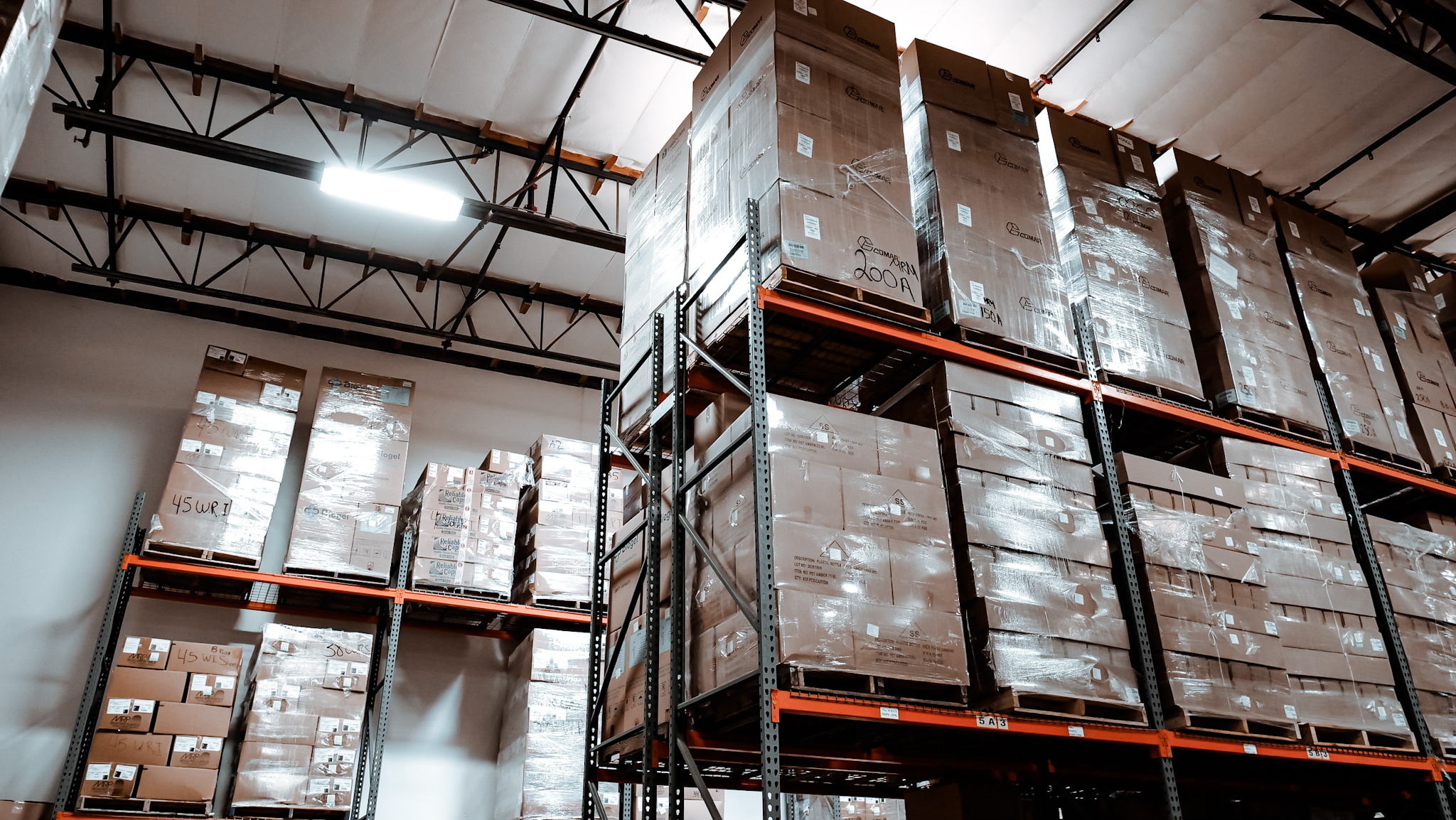
The Supplement Quality Problem — No Pre-Market FDA Approval
Dietary supplements occupy a unique and challenging regulatory space. Unlike pharmaceutical drugs, which require FDA approval before they can be sold — a process that includes clinical trials, manufacturing inspections, and demonstrated efficacy — dietary supplements can be brought to market without any pre-market FDA review.
The supplement manufacturer and the brand owner are legally responsible for ensuring that their product is safe, accurately labeled, and manufactured to appropriate quality standards. The FDA's role in supplement quality is primarily retrospective — they can inspect facilities, conduct market surveillance, issue warning letters, and initiate recalls for products found to be adulterated or misbranded. But by the time the FDA acts on a problematic product, it has often been on the market for months or years.
The consequence of this system is predictable: supplement quality varies enormously depending entirely on the quality of the manufacturer. Multiple independent studies by the FDA, academic researchers, and consumer advocacy organizations have found that significant percentages of supplements on the market:
- Contain less active ingredient than the label claims (underdosing)
- Contain more active ingredient than claimed (overdosing, with potential safety implications)
- Contain wrong ingredients — substituted or adulterated species in botanical products
- Contain undisclosed ingredients, including pharmaceutical substances
- Are contaminated with heavy metals, pesticides, or microbiological pathogens
None of these failures are inevitable. They are the direct result of inadequate manufacturing quality control. This article explains what adequate quality control looks like, what cGMP requires, and how to evaluate whether a manufacturer's QC program is genuinely protective or merely performative.
What cGMP (21 CFR Part 111) Actually Requires
The FDA's Current Good Manufacturing Practice regulation for dietary supplements — Title 21 of the Code of Federal Regulations, Part 111 — was finalized in 2007 and represents the minimum quality standard for any dietary supplement manufactured for sale in the United States.
21 CFR Part 111 is organized around several core systems:
Master Manufacturing Records (MMR)
For each distinct product, a manufacturer must maintain a Master Manufacturing Record that documents: the complete formula including all ingredients and their amounts, specifications for raw materials, manufacturing steps and equipment, in-process controls and specifications, finished product specifications, and packaging and labeling instructions. The MMR is the blueprint from which every batch of the product is made — it ensures consistency from run to run.
Batch Production Records (BPR)
For each batch actually produced, a Batch Production Record must be created and maintained. The BPR documents that the batch was produced according to the MMR and includes: the lot number and production date, actual quantities of each ingredient used (with raw material lot numbers), equipment used and cleaning records, actual results of in-process checks, QA test results, personnel signatures at each controlled step, and QA release authorization. The BPR is the complete manufacturing history of a specific lot — it's the documentation that enables lot traceability in the event of a recall.
Component and Product Testing
21 CFR Part 111 requires that every component (raw material) used in manufacturing must be tested for identity before use. Finished products must be tested to verify they meet specifications — including that label claim amounts of active ingredients are actually present. Testing must follow written protocols, use validated methods, and be documented in the BPR.
Equipment Calibration and Maintenance
All equipment used in production must be qualified for its intended use, maintained on a documented schedule, and calibrated according to written procedures. Out-of-tolerance equipment must be removed from service until repaired and re-calibrated. Calibration records are maintained as part of the quality system.
Personnel
All personnel involved in manufacturing must receive documented training on cGMP principles and the specific procedures relevant to their roles. Supervisors must be qualified by education, training, or experience. Hygiene requirements and procedures for handling illness and contamination prevention are specified.
Identity Testing — How Manufacturers Verify What's in the Bottle
Identity testing is the process of confirming that an ingredient is what the supplier says it is. This is non-negotiable under cGMP — every component must have its identity verified before use in production. Yet it is one of the most commonly skipped steps among poorly compliant manufacturers who simply accept the supplier's Certificate of Analysis at face value without any independent verification.
There are several analytical techniques used for identity testing, ranging from simple organoleptic methods to sophisticated instrumentation:
Organoleptic Testing
Visual inspection, odor, and taste assessment compared against a reference standard. Simple and inexpensive, this method is appropriate as a preliminary screen but not sufficient on its own for botanicals where adulteration is common.
Thin-Layer Chromatography (TLC)
A relatively simple chromatographic technique that separates compounds based on their movement through a silica gel plate. TLC produces a characteristic "fingerprint" for botanical ingredients that can be compared against reference standards. Good for botanical identity at moderate cost.
High-Performance Liquid Chromatography (HPLC)
HPLC is the gold standard for identity and potency testing of most supplement ingredients. It separates compounds by their affinity for a stationary phase and quantifies them against reference standards. HPLC can confirm both identity (the right compound is present) and quantity (the right amount is present). Required for accurate potency confirmation on most active ingredients.
ICP-MS (Inductively Coupled Plasma Mass Spectrometry)
Used for elemental analysis — primarily heavy metals testing. ICP-MS can detect metals at parts-per-billion concentrations, far below levels of toxicological concern. Required for confirming compliance with heavy metal specifications for most ingredient categories.
PCR-Based DNA Testing
Polymerase chain reaction testing is used for botanical identity verification, particularly to detect adulteration or substitution of herb species. DNA testing is highly specific but measures genetic material, not active compound content — it confirms species identity but not potency.
Potency Testing — Label Claims vs. Actual Content
Potency testing confirms that the active ingredient content of a finished supplement matches what the label claims. This is a fundamental consumer protection issue — if a consumer is taking Vitamin D3 at 2,000 IU per capsule based on the label, and the actual content is 800 IU, they are being misled and are not receiving the dose they expect.
Potency testing on finished dietary supplements is performed using analytical methods appropriate to each ingredient class:
- Fat-soluble vitamins (A, D, E, K): HPLC or UV-Vis spectrophotometry
- Water-soluble vitamins (B complex, C): HPLC
- Minerals: ICP-MS or atomic absorption spectroscopy (AAS)
- Amino acids: HPLC with derivatization
- Botanical extracts (standardized): HPLC for marker compounds
- Probiotics: Plate count methods (CFU determination)
- Omega-3 fatty acids: Gas chromatography (GC)
Results are expressed as a percentage of label claim. Acceptable ranges are defined in the product specification — typically 90–110% of label claim for most ingredients, though some (like certain vitamins that degrade over shelf life) may be overaged to ensure end-of-shelf-life potency within specification.
Contaminant Testing — Heavy Metals, Pesticides, and Microbials
Beyond identity and potency, responsible manufacturers screen for contaminants that could pose health risks to consumers. The three primary categories are:
Heavy Metals
Lead, arsenic, cadmium, and mercury are the primary heavy metal contaminants of concern in dietary supplements. They can enter through contaminated soil (for botanical ingredients), industrial processing (for mineral salts), or manufacturing equipment. The FDA has established limits for heavy metals in dietary supplements, and California's Proposition 65 sets additional thresholds requiring warning labels for products sold in California.
All four metals (Pb, As, Cd, Hg) should be tested in finished products, particularly for botanicals grown in regions with known heavy metal contamination issues.
Pesticide Residues
Botanical ingredients grown conventionally may carry pesticide residues from agricultural applications. Pesticide testing by GC-MS or LC-MS/MS screens for a broad panel of common agricultural pesticides against established maximum residue limits. Organic certified ingredients undergo pesticide screening as part of organic certification, providing an additional layer of assurance.
Microbiological Limits
Supplements must meet microbiological specifications for total aerobic plate count (TAPC), total yeast and mold count (TYMC), and absence of specified pathogens including Salmonella, E. coli, and Staphylococcus aureus. USP Chapter <2021> provides the microbiological standards for dietary supplements.
Botanical raw materials are particularly susceptible to high microbial loads — herbs dried in the field can carry significant environmental microbial contamination. Heat treatment, irradiation, or steam sterilization may be used to bring microbial counts within specification, with testing after treatment to confirm compliance.
In-House QA Labs vs. Third-Party Testing Only
There is a meaningful difference in quality program capability between manufacturers that operate in-house QA laboratories and those that rely entirely on third-party contract testing labs for all analytical work.
| Factor | In-House QA Laboratory | Third-Party Testing Only |
|---|---|---|
| Testing speed | Hours to days — results during production | Days to weeks — results after production |
| In-process control | Real-time anomaly detection and correction | Post-production — failures discovered after batch is done |
| Integration with BPR | QA staff directly maintain batch records | External reports must be linked to internal records |
| QA staff presence | QA personnel present during manufacturing | Manufacturing and QA are organizationally separated |
| Method validation | Manufacturer owns and validates its methods | Depends on external lab's method library |
| Cost per test | Lower at volume | Fixed external lab pricing per sample |
| Accountability | Integrated — QA failure is manufacturing failure | Diffuse — external lab and manufacturer separate entities |
A fully capable in-house QA lab does not mean third-party testing is unnecessary. Third-party labs play important roles in method verification, in testing categories that require specialized instrumentation not cost-effective to maintain in-house (such as full pesticide panels by GC-MS), and in validating in-house methods. But the absence of any in-house testing capability means a manufacturer cannot perform real-time quality control during production — a fundamental limitation.
Lot Traceability and Batch Production Records
Lot traceability is the ability to track a finished product lot backward through the entire manufacturing chain to every raw material used, and forward from any raw material lot to every finished product that contains it. Complete traceability is required by 21 CFR Part 111 and is the foundation of an effective recall system.
For brand owners, lot traceability serves multiple purposes:
- Recall management: If a supplier issues a raw material recall, you need to identify every finished lot containing that material — and where those lots were sold — within hours, not days.
- Consumer complaint investigation: When a consumer reports an adverse experience, lot traceability allows you to determine whether the complaint could be related to a specific production run with documented deviations.
- Regulatory inspections: FDA inspectors expect to see complete Batch Production Records. Gaps in documentation are significant observations that can trigger warning letters.
- Retailer and distributor requirements: Major retailers including Whole Foods, Costco, and Amazon increasingly require manufacturers to demonstrate lot traceability capability before accepting products.
A Batch Production Record that fully supports lot traceability includes, at minimum:
- Finished lot number (with manufacturing date)
- Product name, formula version, and batch size
- Each ingredient: name, supplier, supplier lot number, actual weight used, COA reviewed/passed
- Equipment used, with cleaning records and calibration status
- In-process testing results (blend homogeneity, pre-encapsulation QA)
- Finished product testing results (fill weight, potency, dissolution)
- QA manager review and release authorization signature
- Packaging and labeling records (capsules used, bottles used, label lot number)
NSF and Third-Party Certifications Explained
Third-party certification programs provide an independent layer of quality verification above and beyond a manufacturer's self-certification of cGMP compliance. Understanding what these programs actually verify — and what they don't — helps brand owners evaluate their real value.
NSF International
NSF International is a non-profit public health organization that provides a range of certification and testing services for dietary supplements and food safety. NSF's dietary supplement programs include:
- Certificate of Conformity: Verifies that a manufacturer's quality management system and GMP practices meet NSF's requirements through facility audits.
- NSF Certified for Sport: Verifies that a product is free from substances prohibited in sport, through product testing. Used primarily by sports nutrition brands targeting professional athletes.
USP Verification Program
The United States Pharmacopeia (USP) operates a dietary supplement verification program that tests products for ingredient identity and potency, disintegration, and contaminant limits against USP standards. The USP Verified mark on a product label indicates the contents have been independently verified against the label claim.
Informed Sport / Informed Choice
These certification programs test products for WADA-prohibited substances — relevant for sports nutrition brands marketed to competitive athletes.
What Certification Cannot Do
No certification program can continuously monitor every batch. Certifications are based on periodic audits and spot-testing — they provide a strong indication of quality system capability but are not a real-time guarantee of every lot's compliance. The foundation must be the manufacturer's internal quality program.
What Consumers and Brands Should Look For
If you are a brand owner evaluating a manufacturer, or a consumer trying to make informed purchasing decisions, here is a practical framework for quality assessment:
For Brand Owners
- Verify the manufacturer's NSF certificate or equivalent third-party certification directly (don't accept a claim — ask for the current certificate document)
- Ask specifically what testing is performed at incoming raw material, in-process, and finished product stages — and ask to see example COAs
- Ask whether QA testing is in-house or outsourced and how quickly results are available
- Request a sample Batch Production Record (redacted for another client's formula) to see what documentation you'll receive
- Ask about the hold and rejection rate for finished lots — this is a measure of how often their QC actually catches and stops problems
For Consumers
- Look for products from brands that clearly communicate their manufacturer's certifications — NSF, USP, or Informed Sport
- Be skeptical of unusually low-priced products, particularly in categories prone to adulteration (herbal weight loss, sexual enhancement)
- Look for lot numbers on product labels — a lot number means the manufacturer maintains batch records. Absence of a lot number is a red flag.
- Research the brand's manufacturer if possible — a brand that can name their cGMP-certified manufacturer is more accountable than one that cannot
How NSI's Dual-Stage Testing Protects Your Brand
At Nature's Supplements Inc., quality control is not a formality — it is the mechanism by which our clients' brands maintain their reputation with consumers, retailers, and regulators. Our dual-stage QA process was designed to catch quality failures at the earliest possible point, before they become finished product problems.
Stage 1: Raw Material Intake
Every incoming raw material is quarantined upon arrival. Our QA team reviews the supplier's Certificate of Analysis and compares it against our internal specifications. We then perform independent identity verification — the specific method depends on the ingredient type, but every material receives at minimum an organoleptic assessment and, for critical actives, instrumental identity confirmation. Materials that fail identity testing are rejected and returned to the supplier. Materials that pass are approved and released from quarantine for use in production.
This process means that no adulterated, substituted, or off-specification raw material can enter our production process. If a supplier ships the wrong grade, wrong species, or wrong potency, it stops at intake — not at finished product testing when correction is costly and time-consuming.
Stage 2: Finished Product Testing
After encapsulation, each production lot is sampled and held in QA pending the results of finished product testing. Testing includes fill weight uniformity (weight variation) to confirm consistent dosing across the lot, and potency confirmation for specified actives. Only after a qualified QA manager has reviewed all test results and confirmed they meet specification — and signed the Batch Production Record authorizing release — is the product released for packaging and shipment.
The result of this dual-stage system: every lot we ship has a documented chain of custody from raw material identity at intake through finished product potency and weight at release. Your Certificate of Analysis is backed by real data, not a rubber stamp.
Verify our quality credentials
Download our NSF Certificate of Conformity or contact us to discuss our QA program in detail. We welcome quality due diligence — it's how strong manufacturing partnerships are built.